Ibis, Spoonbills, Herons & Parrots by Boat
The coastal lagoons around Puerto Escondido are among the most productive bird habitats in southern Mexico. The problem is that most of the species worth seeing — the ibis, the spoonbills, the herons that stand perfectly still in the shallows, the parrots that move through the canopy above the waterline — are invisible from any road or trail. They exist in the interior of the lagoon system, accessible only by boat, at the hours when they are most active.
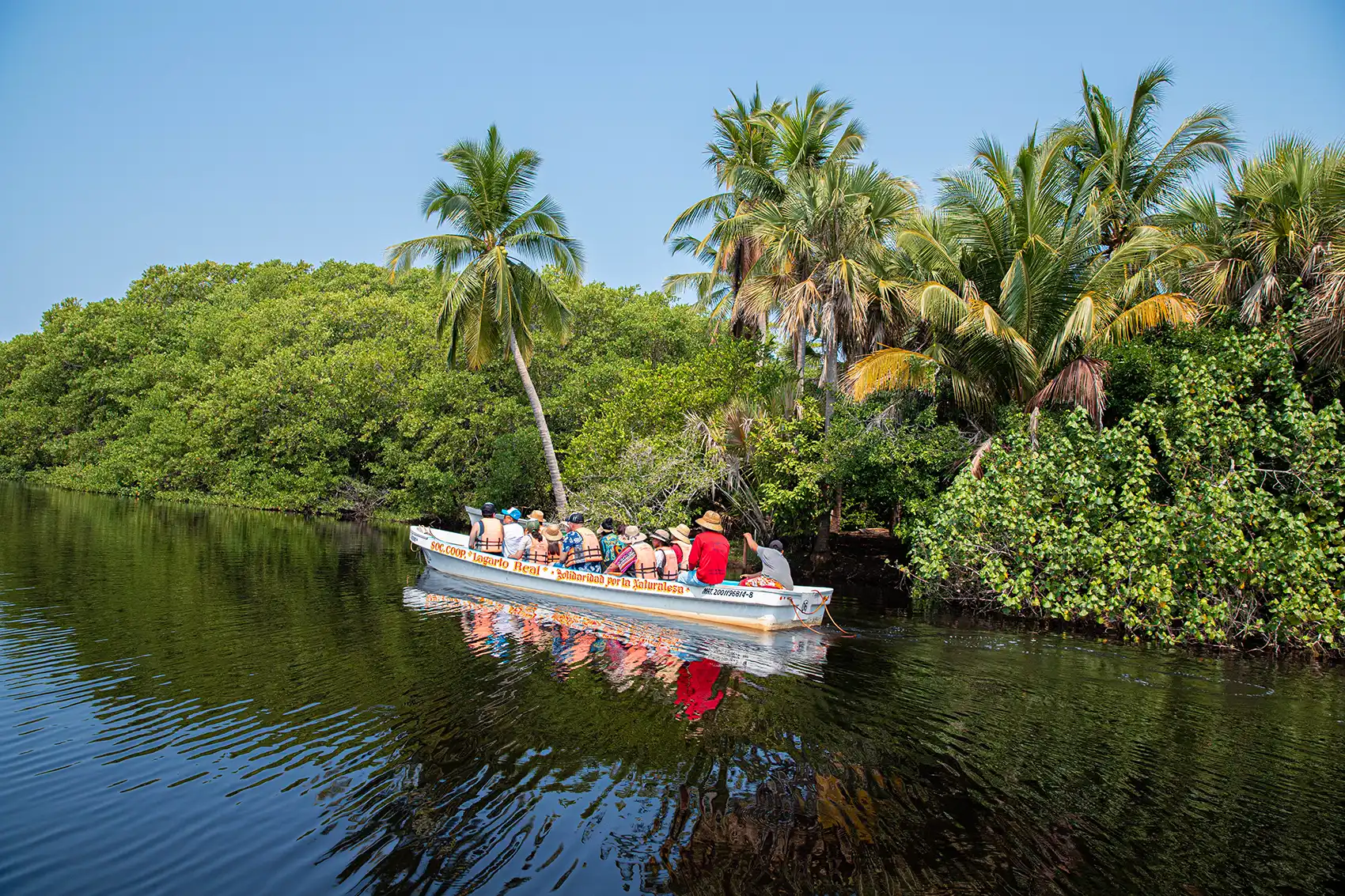
This tour is designed specifically around those hours. Two sessions daily — sunrise and sunset — timed to coincide with peak bird activity in the lagoon. A small boat that can enter channels too shallow and narrow for anything motorized. An expert guide with binoculars, genuine knowledge of every species in the system, and the patience to wait for the moments worth waiting for.
Three hours on the water. More bird species than most guests expect. Two sessions to choose from, and genuinely good reasons to choose either one.
Birdwatching in Puerto Escondido — Why the Lagoon System Is Exceptional
Puerto Escondido sits at the convergence of the Pacific coast and the Sierra Madre foothills — a geographic position that creates an extraordinary diversity of habitats within a small area. The coastal lagoons are the most concentrated of these habitats: enclosed bodies of water that are simultaneously connected to the Pacific, fed by freshwater streams from the mountains, and surrounded by mangrove forest that provides nesting, roosting, and feeding habitat for an extraordinary range of species.
The result is a lagoon system that hosts resident populations of over 100 bird species year-round, supplemented by significant migratory populations during spring and fall passage when North American birds move through the Pacific flyway. Within three hours on the water, an attentive observer with a guide who knows the system can reasonably expect to see 20 to 40 species — a number that serious birdwatchers would consider a very good day anywhere in Mexico.
For guests who have never been birdwatching before, this tour consistently produces the moment of conversion — the instant when you see a roseate spoonbill at close range in good light, or watch a kingfisher plunge from a branch into the water six meters from the boat, and understand for the first time what the entire activity is about.
Sunrise vs Sunset — The Two Sessions Explained
Sunrise Session — 6:00 AM Departure: The Peak of Bird Activity
The 6:00 AM session puts you on the water at dawn — the single most productive period for bird observation in any coastal wetland ecosystem. At this hour, wading birds are actively feeding in the shallows, raptors are beginning their first flights of the day, and the light comes across the water at an angle that makes everything visible and everything photogenic. Herons, egrets, and ibis are moving between roost sites and feeding areas. Parrots and other canopy species are loudest in the first hour after dawn. The lagoon is completely calm before the morning breeze develops. If you have to choose one session and you are primarily interested in birds, choose this one.
Sunset Session — 3:00 PM Departure: The Spectacle of Return
The 3:00 PM session takes you through the lagoon during the golden afternoon light and ends as the sun sets over the water. Birds return to roost in the mangroves as the light fades — the late afternoon movement of herons, storks, and ibis toward their roosting trees is one of the most visually dramatic events in a coastal wetland, and it happens every day at the same time. The golden and red light of the last hour is exceptional for photography. If you are primarily interested in the visual and photographic experience of the lagoon, choose this session.
Bird Species You Can Expect on the Lagoon Tour
Wading Birds — Herons, Egrets & Ibis
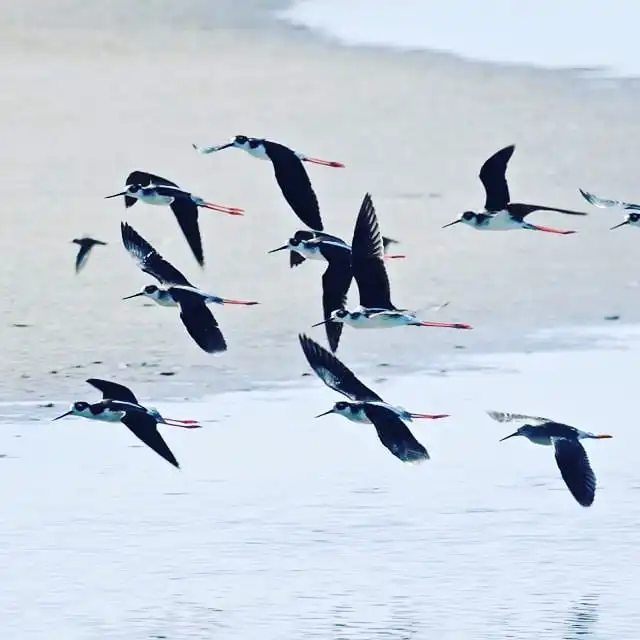
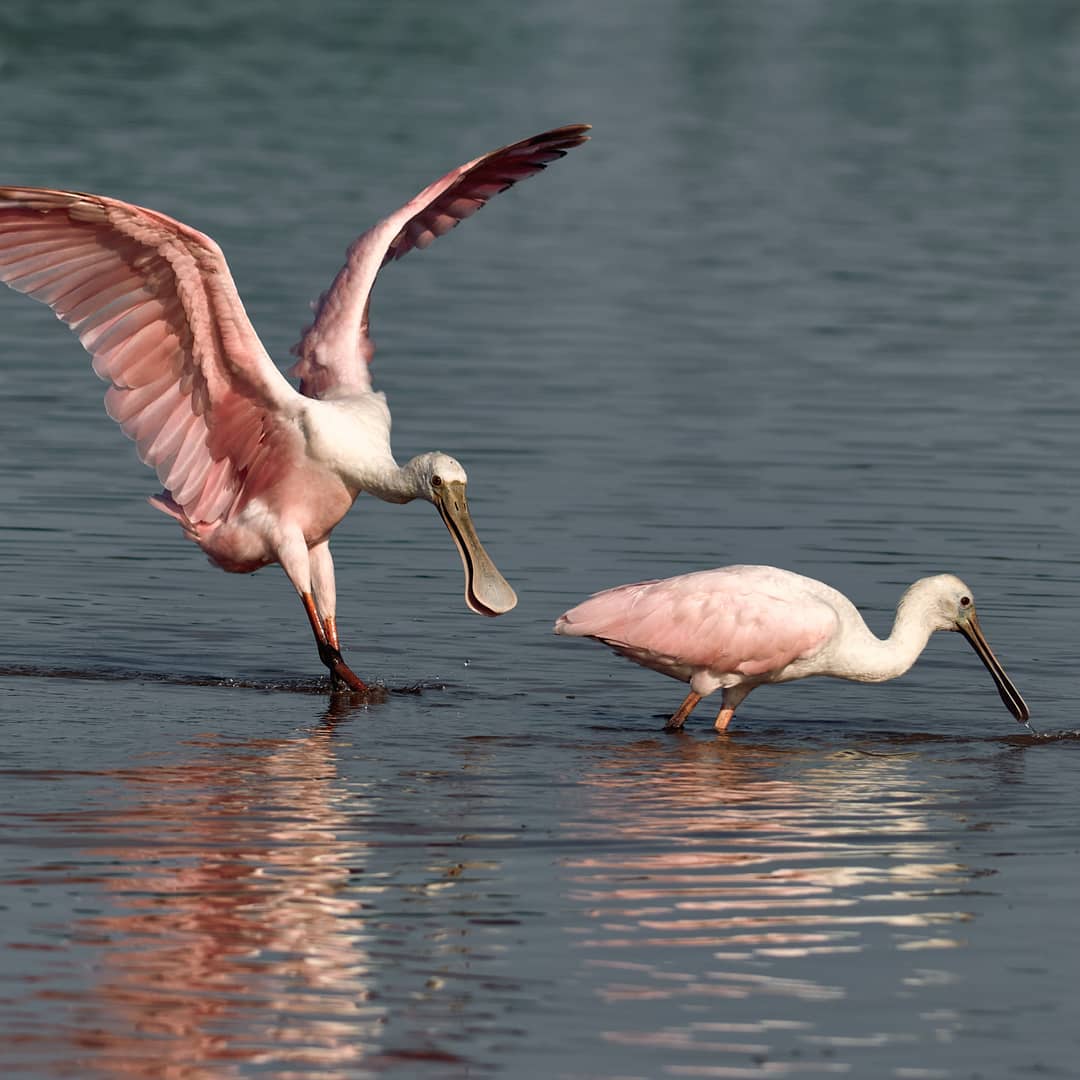
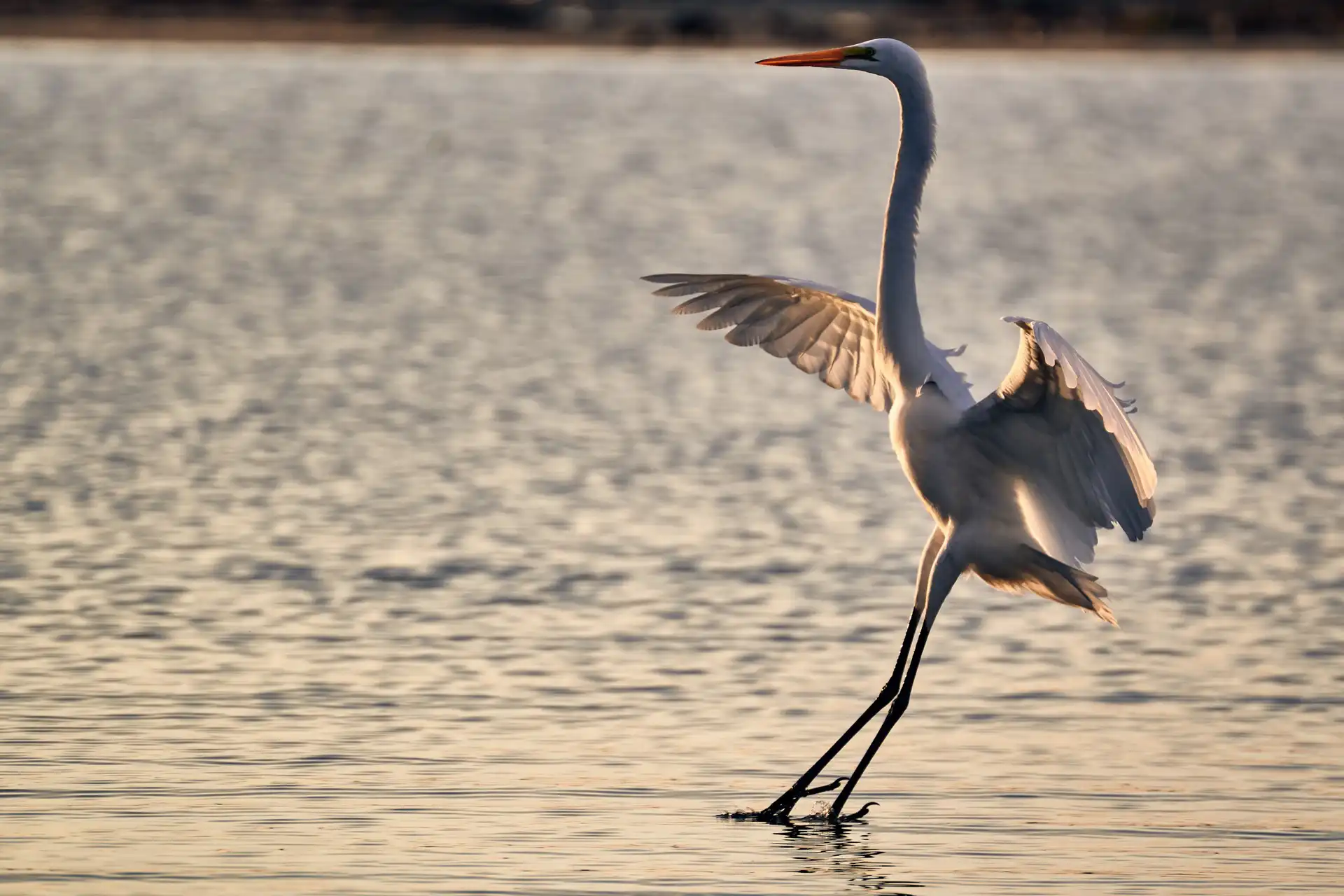
The lagoon shallows are the territory of the wading birds — great blue herons, little blue herons, tricolored herons, great egrets, snowy egrets, and the white ibis and glossy ibis that probe the mud for invertebrates with their curved bills. These are the birds that stand still long enough to study at close range from the boat — your guide identifies each species and explains the behavioral differences between them. The roseate spoonbill, when it appears, consistently stops the boat. Its improbable pink color and the flat, spatula-shaped bill it swings through the water are unlike anything else in the lagoon.
Raptors — Ospreys, Hawks & Eagles
Ospreys are permanent residents of the Puerto Escondido lagoon system — fish-eating raptors that hover over the water and plunge feet-first to catch prey, a hunting method that is extraordinary to watch when it happens near the boat. Various hawk species patrol the mangrove edges, and the occasional eagle passes over the open water sections. Your guide scans the canopy and the sky throughout the tour and calls out raptors before they move out of view.
Kingfishers — Three Species
Three kingfisher species are present in the Puerto Escondido lagoon system — the belted kingfisher, the green kingfisher, and the Amazon kingfisher. All three hunt by perching on a branch above the water, watching the surface, and plunging when a fish comes within range. The plunge happens faster than it looks possible and the splash is disproportionate to the size of the bird. Kingfishers are among the most reliably encountered species on this tour, and among the most consistently impressive to guests who have never seen one in the wild.
Waterbirds — Storks, Pelicans & Anhingas
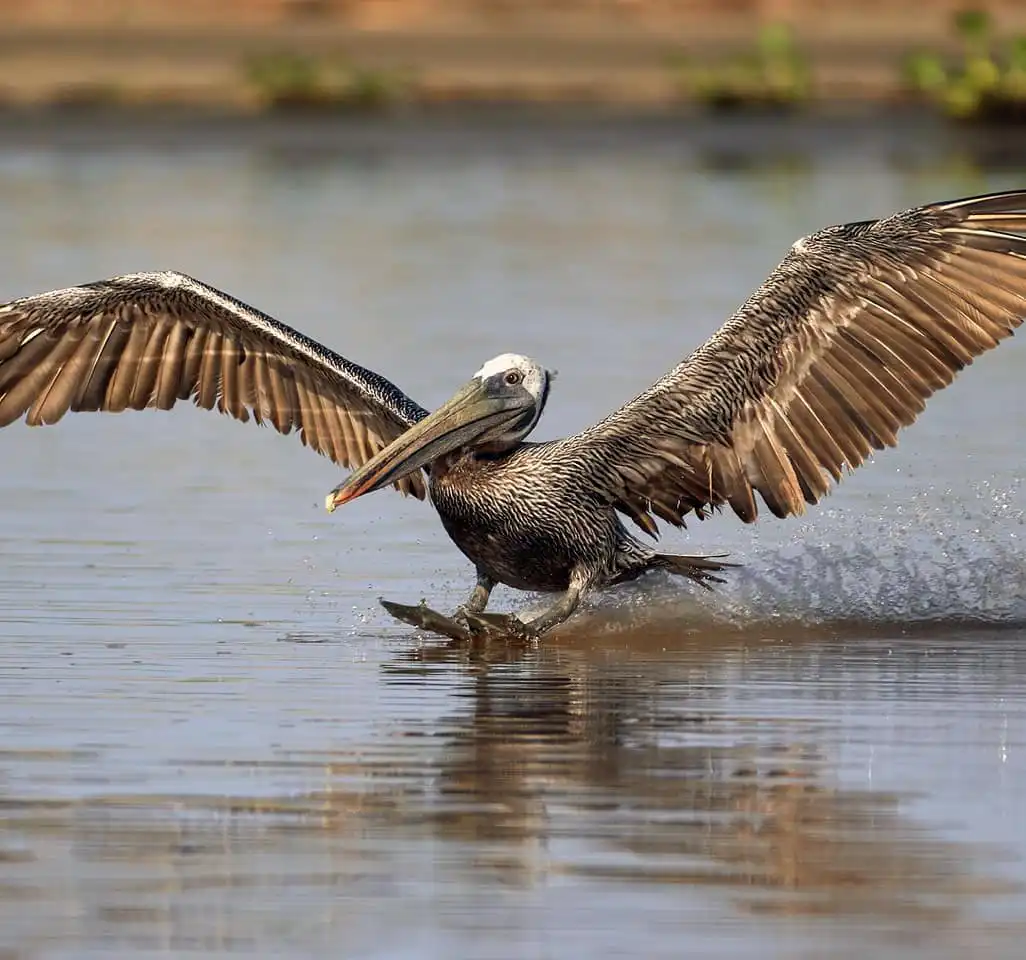
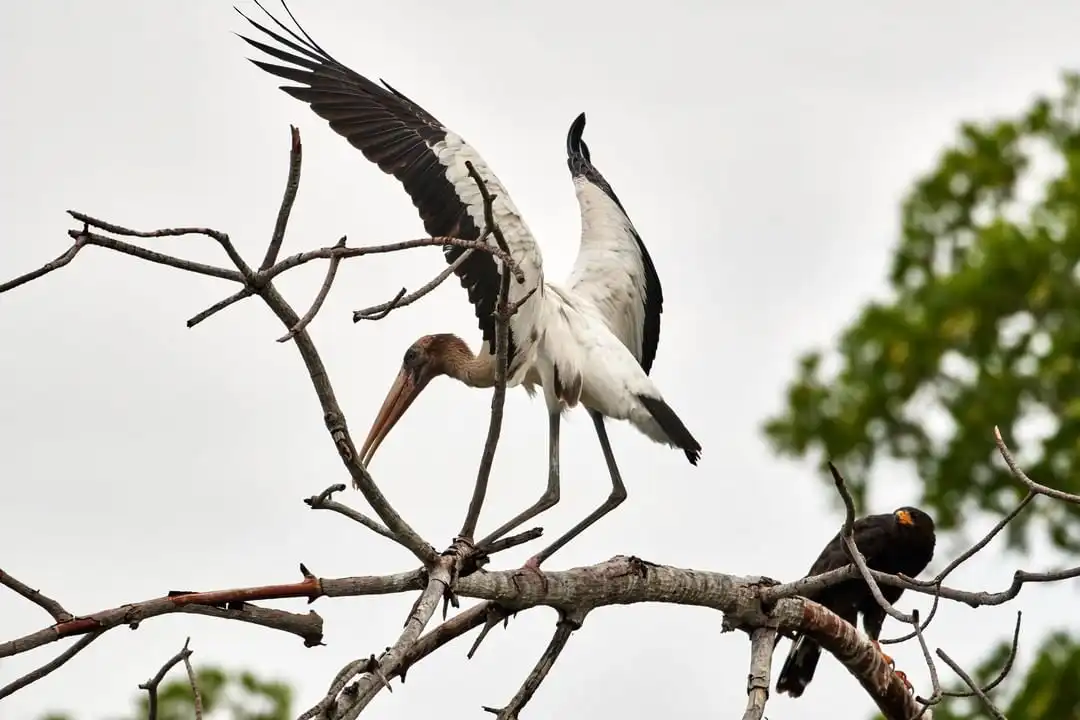
Wood storks are among the largest birds in the lagoon — tall, bald-headed wading birds that stand in groups in the shallows like something from a prehistoric illustration. Brown pelicans patrol the open water in formation, diving for fish with a controlled fold that looks slightly wrong and works perfectly. Anhingas — sometimes called “snakebirds” for the way they swim with only their neck above water — dry their wings on exposed branches in a characteristic pose that makes them unmistakable.
Parrots & Canopy Species
The mangrove canopy above the lagoon is parakeet and parrot territory — species that move fast, call loudly, and are most visible in the early morning and late afternoon when they are feeding actively. Your guide knows the call of each species and locates them by sound before they come into view. The Pacific parakeet is the most frequently encountered, but multiple parrot species use the lagoon system, and sightings vary by season.
Migratory Species — Spring & Fall Passage
During spring (March through May) and fall (September through November) migration, the lagoon receives additional species from North America moving through on the Pacific flyway — warblers, shorebirds, and waterfowl that use the lagoon as a stopover site on journeys of thousands of kilometers. The species diversity during migration periods is significantly higher than at other times of year. Contact us before booking if you are a serious birdwatcher and want to know which species are currently active in the lagoon.
Binoculars Provided — Equipment Included for All Guests
Binoculars are provided for all guests who don’t bring their own. Good optics make an enormous difference in birdwatching — the difference between a distant shape and a clearly resolved bird with visible field marks. Your guide carries a spotting scope for particularly good sightings and uses it to show guests close views of birds that are too distant for binoculars alone. If you own binoculars and typically bring them on outdoor activities, bring them — your own familiar optics will be better than borrowed ones for extended use.
Best Season for Birdwatching in Puerto Escondido
The lagoon is productive year-round — resident species are present in every month and the tour is excellent regardless of when you visit. The peak periods for maximum species diversity are the spring migration (March through May) and fall migration (September through November), when passage birds supplement the resident populations. The dry season (November through April) offers the clearest water and most stable weather for the boat tour. The rainy season brings lush vegetation and active breeding behavior among resident species.
Regardless of season, the most important factor for a successful birdwatching session is the time of day — which is why this tour runs exclusively at dawn and dusk, when bird activity is highest.
Private Birdwatching Tour Puerto Escondido — Up to 20 People
Private tours are available for groups of up to 20 people. A private lagoon birdwatching session means the boat, the guide, and the route are exclusively yours — ideal for birdwatching groups, photography clubs, families with specific interests, and anyone who wants the guide’s undivided attention for the full three hours. Contact us via WhatsApp for availability and pricing.